
Homeowner guide
Basement Bathroom Sewer Inspection: Ask Before Finishes
Plan a basement bathroom sewer inspection discussion before finishes. Ask about shared lines, camera limits, permits and the scope for your property.
3 min read · Planning guide
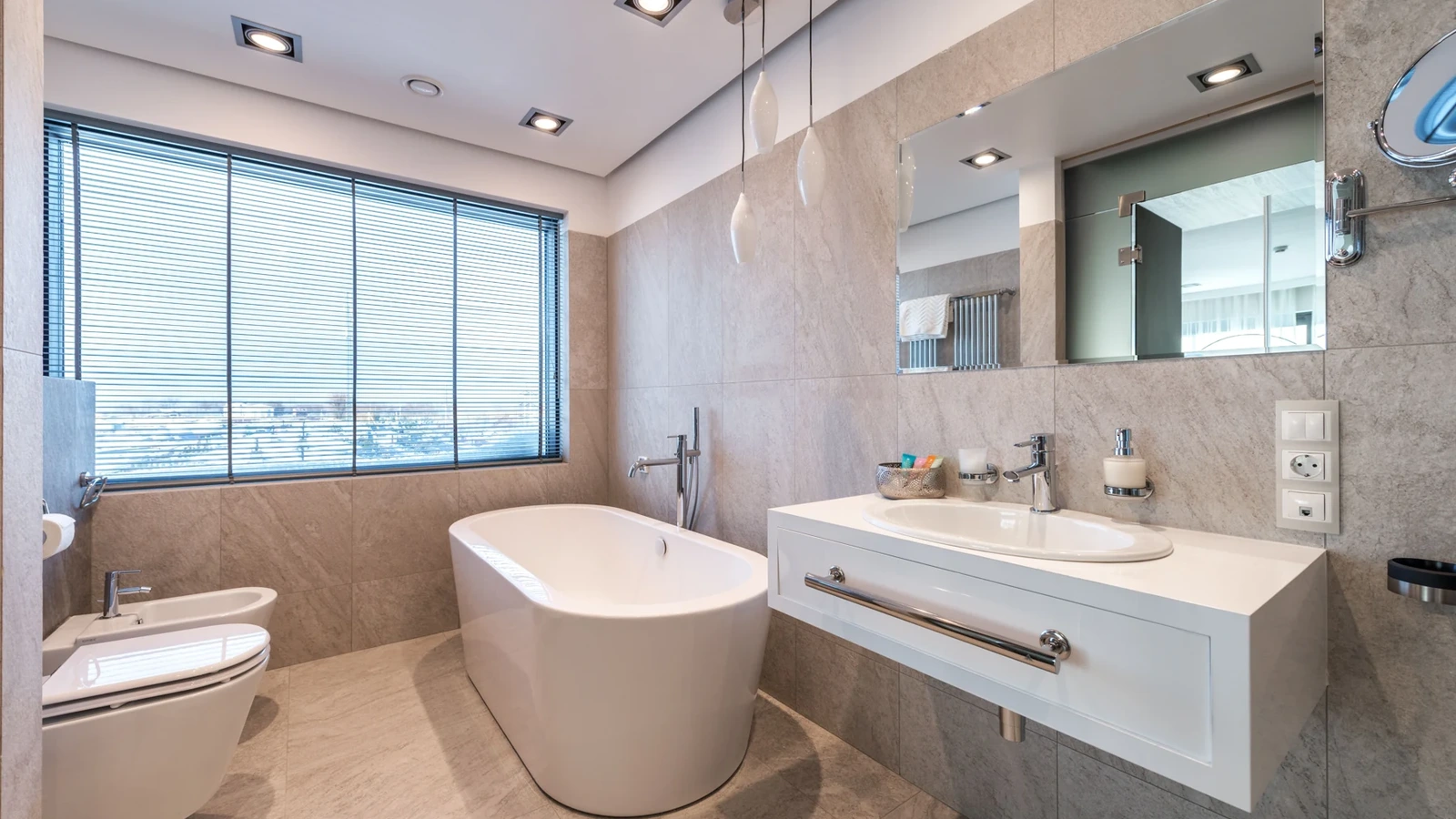
A basement bathroom project involves more than choosing fixtures and finished floors. Before those finishes are planned, ask how the proposed bathroom relates to the property’s drainage and side sewer. A basement bathroom sewer inspection can be a planning option to discuss with a qualified professional, but it is not a universal legal requirement and it cannot promise that every future problem has been ruled out.
Basement bathroom sewer inspection: ask what sewer line serves the property
Seattle Public Utilities says owners own the side sewer to its public connection, and that some side sewers are shared (Seattle Public Utilities side sewer maintenance). It also says a plumber or sewer inspector can perform a camera inspection (Seattle Public Utilities side sewer maintenance). Those facts make ownership and shared conditions useful questions before construction. Ask which line is relevant to the planned bathroom, who may have an interest in it, and who can explain the condition of the line.
For example, imagine a hypothetical Seattle homeowner whose basement renovation may involve a side sewer shared with another property. The homeowner could ask a qualified plumber or sewer inspector whether a camera assessment would help with planning and what the inspection can and cannot tell them. The example does not mean every basement bathroom requires a camera inspection, or that an inspection proves no future risk exists.
Treat a camera assessment as a planning choice
A professional camera inspection may help inform a project discussion, but ask what part of the line can be viewed and what any findings mean for the proposed work. Do not treat a camera image as a guarantee about all conditions or future performance. Ask the professional to explain the limits of the assessment and whether the project needs another kind of review.
Seattle Public Utilities also notes that some properties have backwater valves and that owners are responsible for maintaining them (Seattle Public Utilities side sewer maintenance). If you are unsure whether one is present or relevant, ask an appropriate professional rather than attempting sewer work yourself. Seattle’s information is specific to its side-sewer guidance; homeowners elsewhere should confirm local responsibilities with the relevant authority.
Set the renovation scope before covering work
Ask the contractor to identify the proposed plumbing and finish scope, any exclusions, and how unexpected findings will be handled. Washington L&I recommends written contracts covering scope, materials, payment terms, warranties, and change procedures (Washington L&I Hire Smart). It also recommends arranging required inspections before work is concealed (Washington L&I Hire Smart).
Permit needs depend on the actual work and site. Kirkland’s permit guidance says requirements depend on scope, trade, and site conditions, and that some exemptions may not apply in environmentally critical areas (City of Kirkland permit guidance). A hypothetical homeowner in Bellevue should check with Bellevue, not assume Seattle or Kirkland guidance settles the question for a different property.
A checklist before selecting finishes
- Ask which side sewer serves the property and whether shared conditions may be relevant.
- Ask a qualified plumber or sewer inspector whether a camera assessment is useful for planning, not a universal requirement (Seattle Public Utilities side sewer maintenance).
- Ask what the assessment can show and what it cannot establish.
- Put the construction scope and change procedures in writing, as Washington L&I recommends (Washington L&I Hire Smart).
- Confirm permit and inspection questions with the jurisdiction where the property is located.
Before committing to fixtures or floors, you can bring your questions and proposed scope to an Alpha Lux project discussion. It can be a low-pressure way to organize the planning conversation without assuming that a particular inspection or repair is required.
General planning information, not legal, insurance, lending, engineering or permit advice for a particular property. Confirm requirements and contract questions with the relevant qualified professionals.