
Homeowner guide
Deck Rot: Assess Attachment and Flashing Before Staining
Concerned about deck rot? Ask about attachment, flashing, repair scope and local permit review before choosing a fresh finish for your Seattle-area deck.
3 min read · Planning guide
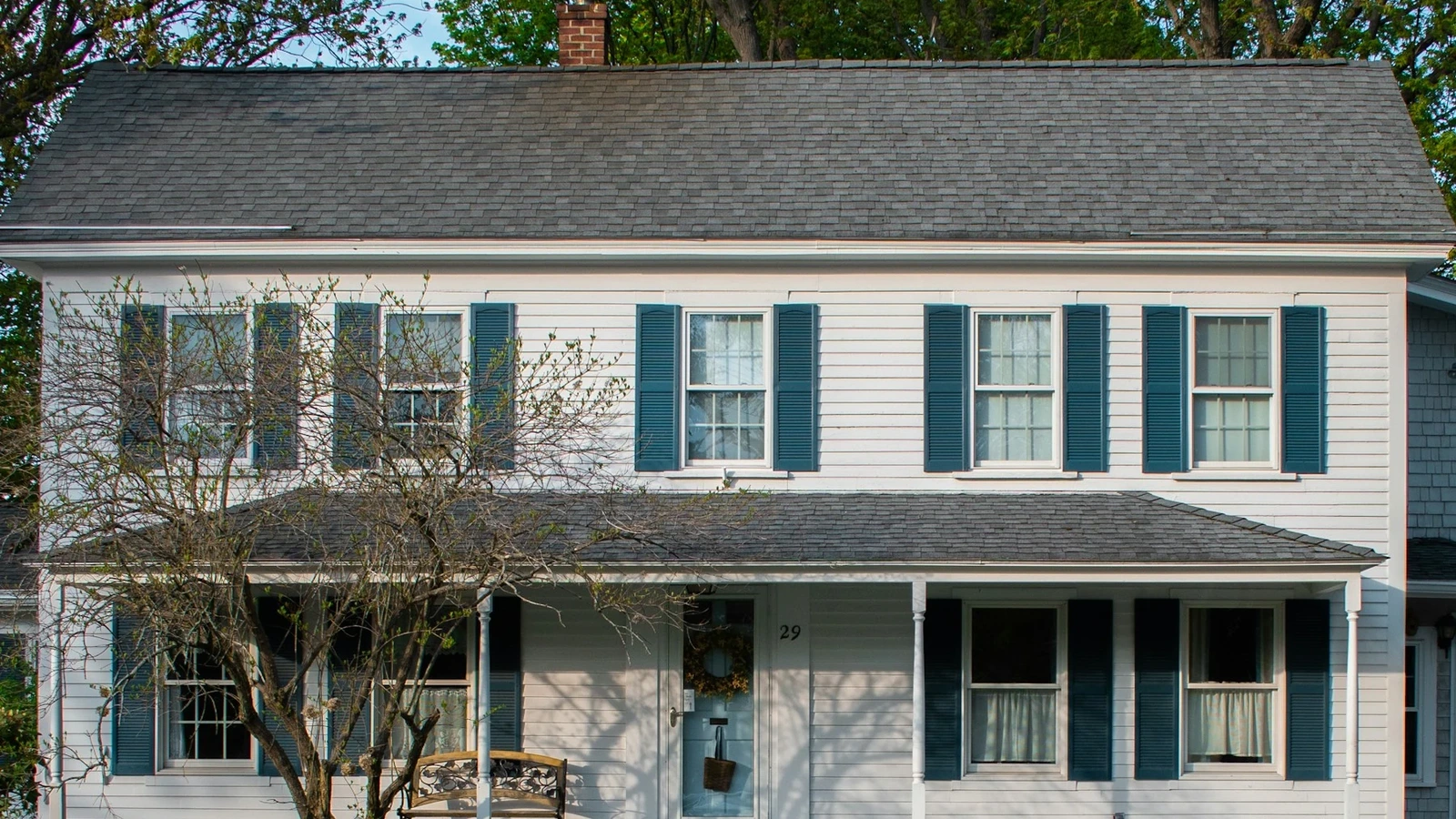
A deck can look ready for stain while important questions about its attachment and water entry remain unanswered. If you are concerned about deck rot, ask for an assessment before agreeing to cosmetic work. A new finish may improve appearance, but it does not answer whether the deck is sound or how water is reaching vulnerable areas. The right next step is a clear scope, not a guess based on a photo.
Deck rot: ask what the assessment covers
Ask a qualified assessor to look at the deck’s attachment to the home and where water may enter. The assessment should explain what was examined, what could not be seen, and which findings need follow-up. Seattle’s deck permit page explains that permit needs depend on project conditions and that critical areas can change requirements; it is permit guidance, not a complete specification for every ledger or flashing detail (Seattle Department of Construction and Inspections deck guidance).
For example, imagine a Seattle homeowner who notices a soft-looking area near the house and receives a bid only to wash and stain the surface. That homeowner could ask whether the contractor will first arrange an assessment of the attachment and possible water entry, and whether any proposed work requires a permit review. This example is hypothetical, not a diagnosis of a particular deck.
Compare the repair scope, not just the finish
A useful bid should make clear what the contractor will inspect, what work is included, what is excluded, and how unexpected findings will be handled. Washington L&I recommends comparing written bids, scope, warranties, references, schedule, and price, and recommends putting scope, materials, payment terms, warranties, and change procedures in a written contract (Washington L&I Hire Smart).
Ask whether the proposal includes an assessment or only surface preparation and coating. If the contractor finds a concern after work starts, ask for the finding and proposed change in writing before approving extra work. Ask for references and, when practical, whether you can view completed work or work in progress; L&I advises homeowners to verify references and ask to view work (Washington L&I Hire Smart).
Confirm permit questions in your jurisdiction
Do not assume a neighbor’s project or a familiar contractor’s reassurance settles your permit question. Seattle’s page describes Seattle permit guidance and says conditions can affect requirements (Seattle Department of Construction and Inspections deck guidance). If your home is elsewhere, ask the building department for the rules that apply at your address and to your planned scope. Kirkland’s permit guidance also notes that requirements depend on the work, trade, and site conditions, and that some exemptions may not apply in environmentally critical areas (City of Kirkland permit guidance).
A hypothetical homeowner in Bellevue should therefore confirm requirements with Bellevue rather than treating Seattle’s page as a rule for the whole region. That is a planning step, not a claim that a permit is always required.
A practical checklist before cosmetic work
- Ask who will assess attachment and possible water entry, and what the assessment will cover.
- Request written bids that separate assessment, repair, and cosmetic work.
- Ask how findings and added work will be documented and approved.
- Check references and ask to view relevant completed work when practical, as L&I recommends (Washington L&I Hire Smart).
- Confirm permit questions with the jurisdiction where the property is located.
A low-pressure conversation can help you organize these questions before choosing a scope. Bring your deck concerns, photos, and competing proposals to an Alpha Lux project discussion if that would be useful.
General planning information, not legal, insurance, lending, engineering or permit advice for a particular property. Confirm requirements and contract questions with the relevant qualified professionals.