
Homeowner guide
Window Condensation: Compare Clues Before Replacing Windows
Learn what to observe when windows fog or show water, and how to ask about surface condensation, between-pane fog, or possible rain-related evidence.
3 min read · Planning guide
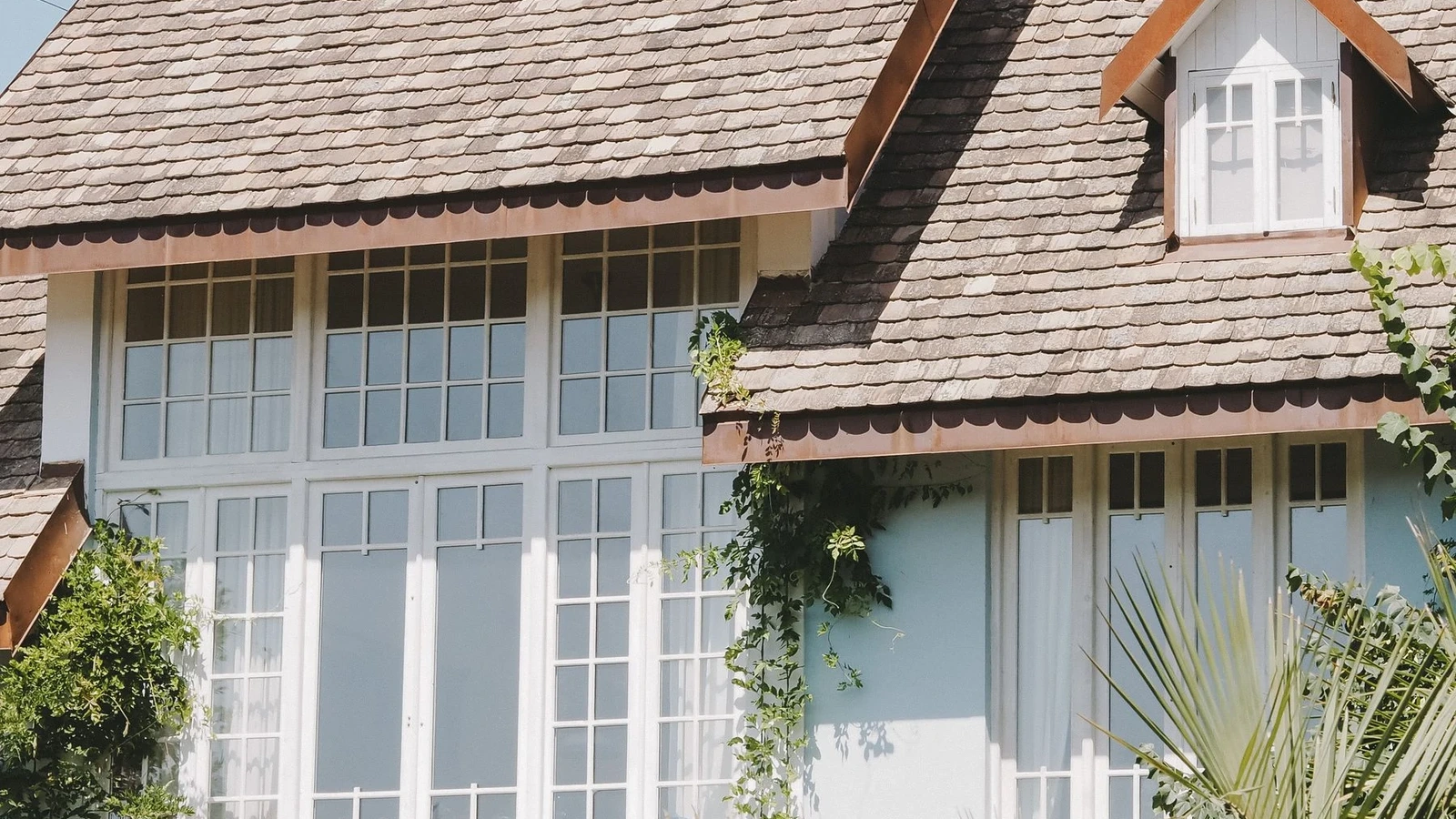
When investigating window condensation, start by recording what you can actually see.
Window condensation: start with where the moisture appears
Water or fog on a window does not, by itself, tell you what is causing it. Before buying replacements, note exactly where the moisture is: on the room-side surface, on the outdoor surface, or apparently between the panes. These are useful observations to share with a qualified professional, not a remote diagnosis.
The EPA explains that humid air can condense on cold surfaces, and that moisture may also come from leaks or outside water (EPA biological contaminants and indoor air guidance). If moisture wipes off the room-side glass, record that observation, when it occurs, and what room conditions are present. It may help frame questions about condensation, but it does not prove the cause.
For example, a hypothetical homeowner in Shoreline notices droplets on the inside of one bedroom window on a cold morning. They can record whether the moisture returns, whether it appears on other windows, and whether it is on the glass or nearby trim. The point is to describe a pattern accurately, not to conclude from one morning that the window must be replaced.
Separate surface moisture from between-pane fog
If the fog appears to be between panes and cannot be wiped from either accessible surface, describe that carefully and ask a window professional what can be confirmed on site. Do not treat “between the panes” as a final diagnosis from a photo or a quick glance. Ask what observations support a repair or replacement recommendation and what alternatives should be considered.
A hypothetical homeowner in Seattle may notice a cloudy patch that remains after wiping both accessible sides of the glass. That is a different observation from room-side droplets, but the homeowner should still ask a professional to verify what is happening. A quote that jumps straight to replacement without explaining the observed condition deserves questions, not an automatic rejection.
Also note whether moisture appears after rain, where it appears, and whether nearby surfaces show signs of water. The EPA identifies outside water and leaks as possible moisture sources, but a pattern alone does not establish where water entered (EPA biological contaminants and indoor air guidance). Ask the assessor to explain what evidence points toward rain-related leakage, condensation, or another possibility, and what additional review may be needed.
Checklist before accepting a window proposal
The EPA recommends addressing moisture problems and drying wet materials promptly (EPA biological contaminants and indoor air guidance). Use these questions to organize a discussion before approving a replacement:
- Where exactly is the moisture: room-side glass, outdoor glass, between panes, or nearby material?
- When does it appear, and does it follow a repeatable pattern?
- Does it appear after rain, during colder conditions, or at another observed time?
- What evidence supports the proposed cause, and what remains uncertain?
- Is the recommendation to repair, monitor, or replace, and why?
- What work and materials are included in the written scope and warranty?
Washington L&I recommends comparing written bids, scope, warranties, references, schedule, and price (Washington L&I Hire Smart). For a hypothetical Bothell home, two bids may use different explanations for the same fogging pattern. Ask each company to connect its proposed work to the observations and to state the scope in writing. A lower price or more confident diagnosis is not, by itself, proof that the recommendation fits the condition.
Keep dated notes or photographs if useful, but do not ask a photograph to establish a final cause. When a contractor proposes opening or replacing materials, ask how any discovered moisture will be handled before it is covered. The EPA advises fixing moisture problems and not enclosing wet or visibly moldy materials (EPA biological contaminants and indoor air guidance).
Bring your written window scope, observations, and questions to a project discussion with Alpha Lux before approving replacement work.
General planning information, not legal, insurance, lending, engineering or permit advice for a particular property. Confirm requirements and contract questions with the relevant qualified professionals.